
Smile Brighter with BIOLASE Dental Lasers
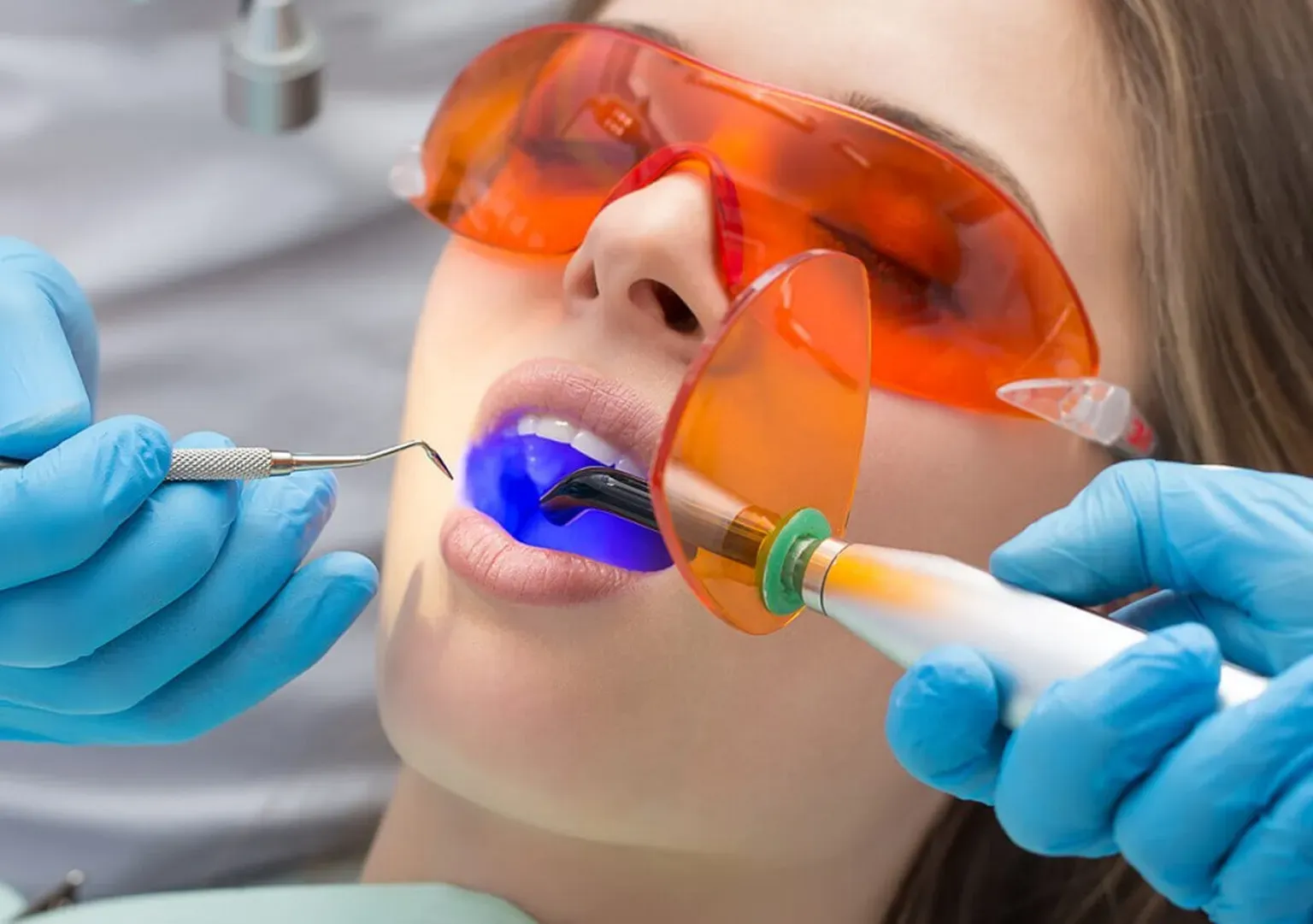
In 2026, BIOLASE® laser technology continues to lead the industry with FDA-cleared wavelengths that reduce treatment time by up to 50% compared to traditional drills. Newport Dental Arts has integrated the latest BIOLASE® Waterlase MD models, offering patients faster cavity removal, minimal anesthesia needs, and virtually no post-operative sensitivity.
Call Our Office For More Information
New Patients :(949) 791-4660 | Existing Patients : (949) 752-1210
BIOLASE® Q & A
Q: Does BIOLASE dental laser hurt or cause pain?
- A: No. BIOLASE® lasers use a gentle water-aided process that minimizes heat and vibration, often requiring less or no anesthesia than traditional drills. Most patients report feeling only slight pressure or warm sensations rather than pain.
Q: Is BIOLASE laser safe for cavity fillings?
- A: Yes, BIOLASE® dental lasers are FDA-cleared for cavity preparation and removal. They precisely target decayed tooth structure while preserving healthy tooth material, making them one of the safest options available.
Q: How much faster is laser dentistry compared to a regular drill?
- A: BIOLASE® laser treatments can reduce procedure time by up to 50% compared to conventional drills, meaning you spend less time in the chair and get back to your day faster.
Q: Will I have sensitivity after BIOLASE laser cavity treatment?
- A: BIOLASE® treatments typically result in minimal post-operative sensitivity because the laser simultaneously sterilizes the area and seals tubules, unlike traditional drills which can leave exposed dentin.
Q: Can BIOLASE lasers be used for gum disease or periodontal treatment?
- A: Yes, BIOLASE® Waterlase systems are FDA-cleared for both hard and soft tissue procedures, including gum disease treatment, periodontal therapy, and bacterial reduction without harming healthy tissue.
According to the Journal of the American Dental Association (JADA), laser-assisted cavity removal reduces patient anxiety by 63% and eliminates the need for anesthesia in approximately 40% of cases.